Employer Challenges

Employer Partner Challenges

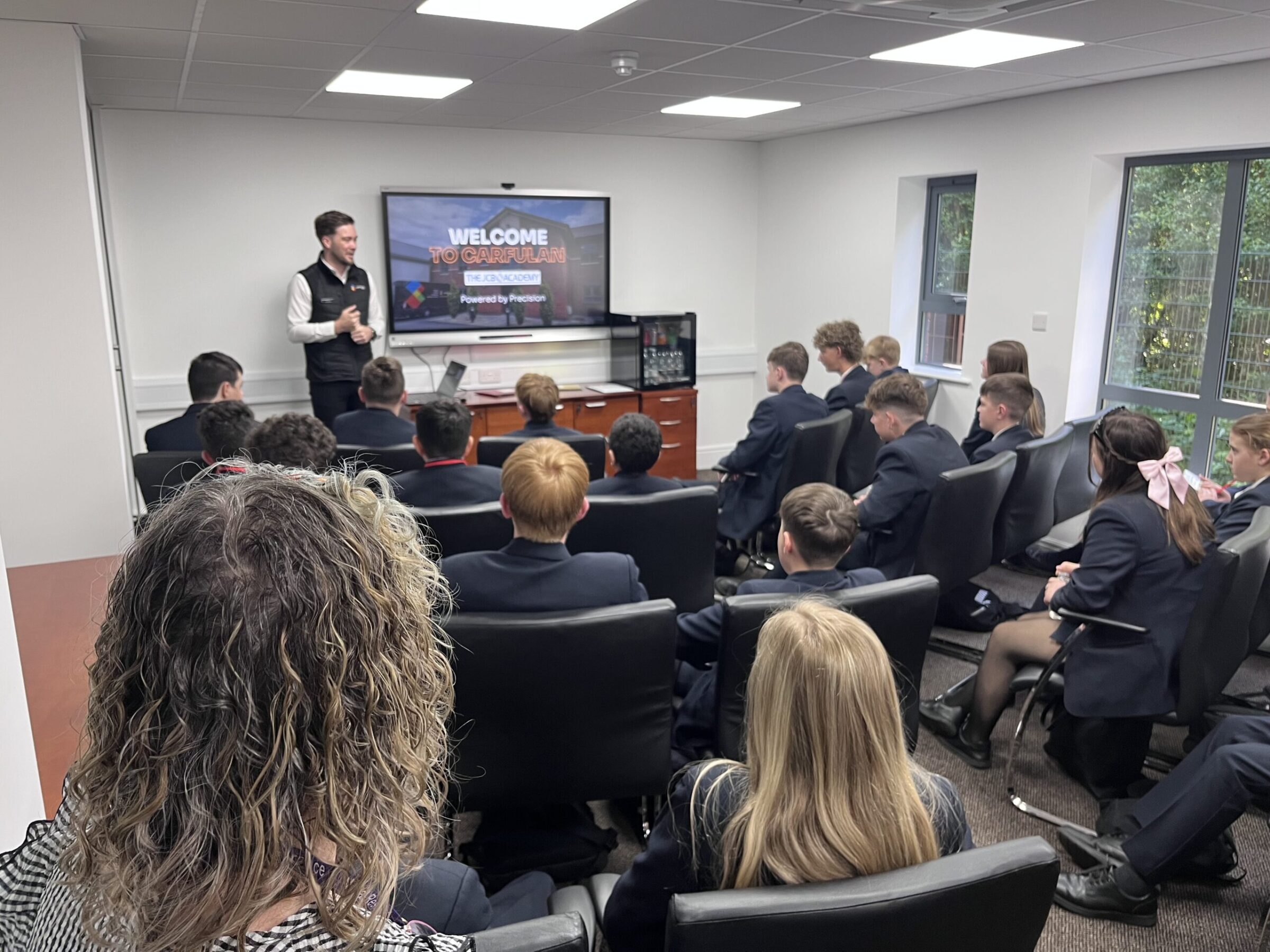
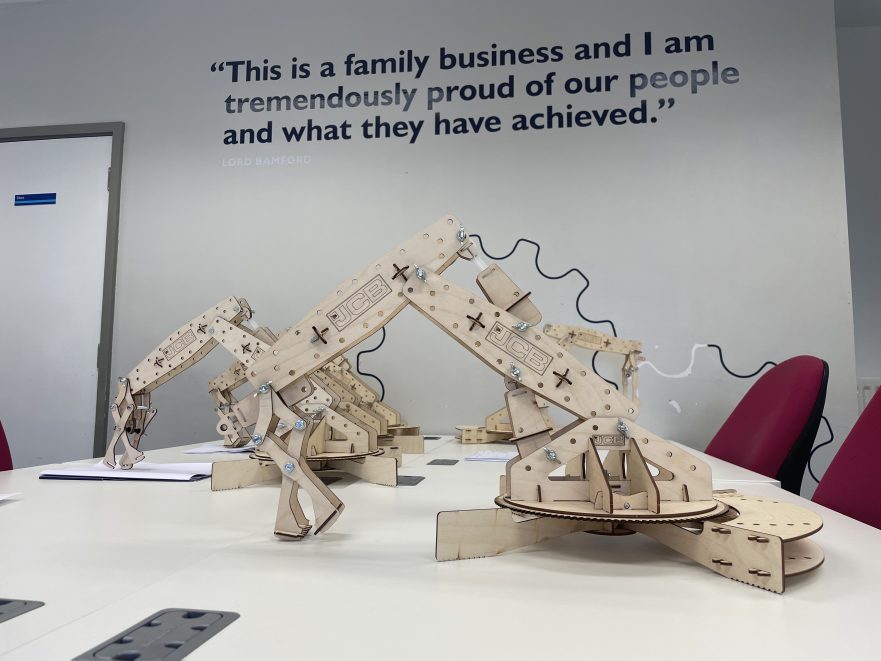
A distinctive feature of the curriculum is the integration of Challenge Projects, delivered in partnership with leading employers. These projects bring learning to life through real-world industrial challenges.

These projects are frequently evolving, past and present examples include:

The Harper Adams Challenge is a key part of the Year 9 learner experience, designed to immerse students in hands-on engineering from the very start of their journey at The JCB Academy. Delivered in partnership with Harper Adams University, the challenge develops core technical knowledge alongside essential professional skills such as teamwork, communication, and problem-solving.

As part of this partnership, learners engage in an intensive introduction to the challenge through an extended on-site experience at the university. This provides early exposure to higher education environments and sets the tone for project-based, real-world learning.


Learning Through Practical Engineering

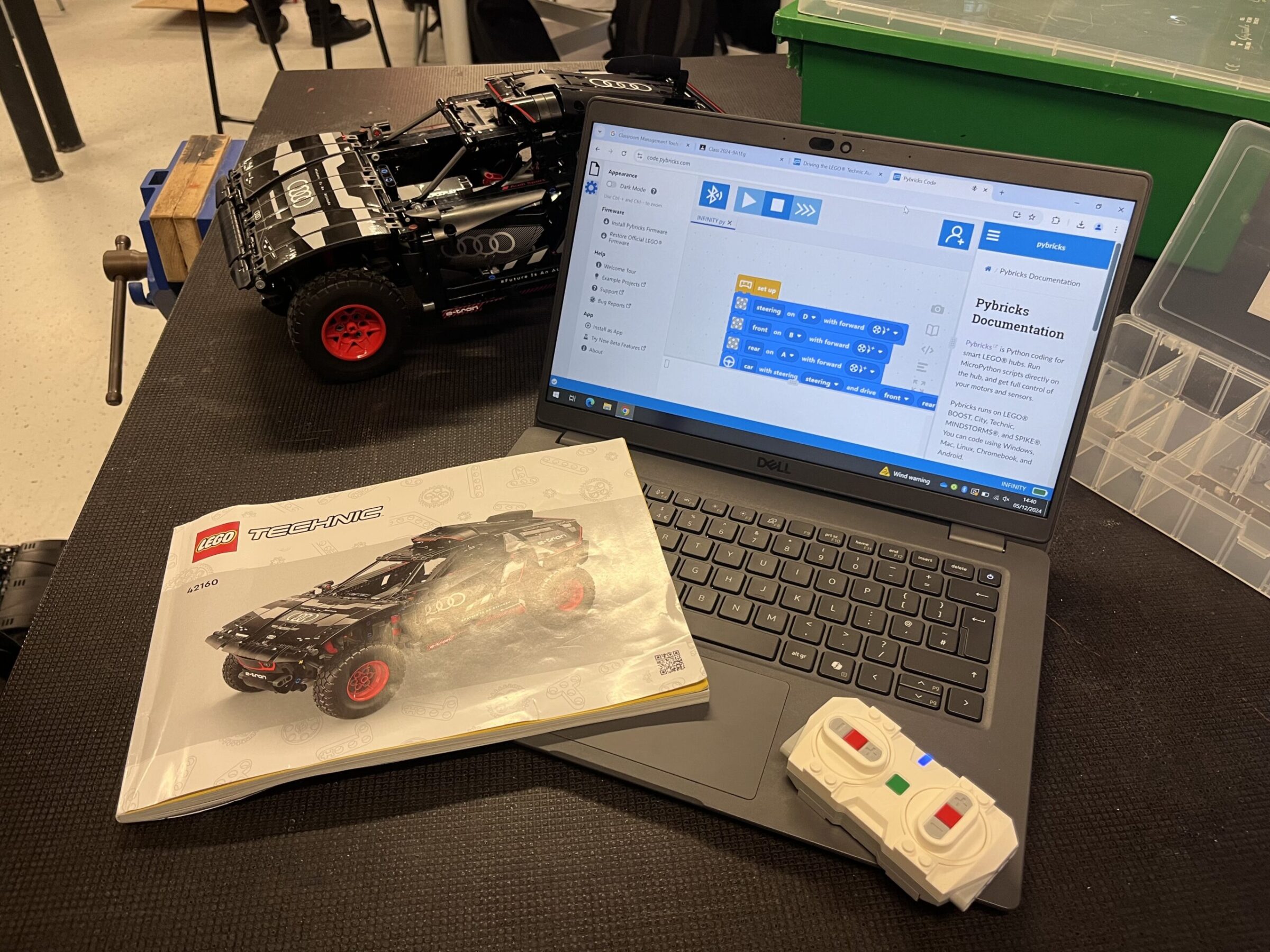
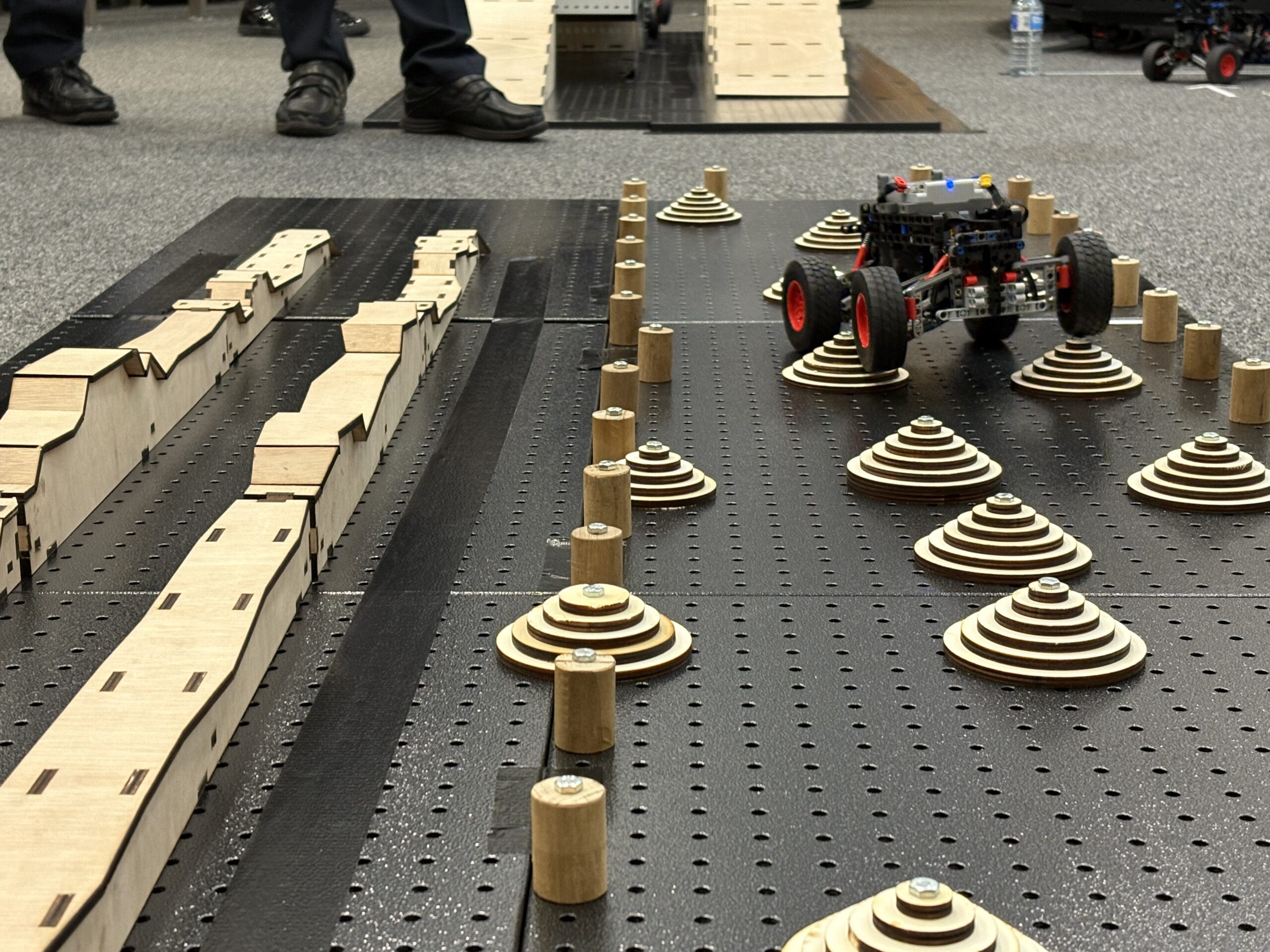
Working in teams, learners use LEGO Technic systems to explore fundamental engineering principles, including mechanical systems, manufacturing processes, and elements of lean production.

Throughout the challenge, learners:

  • Develop teamwork and collaboration skills
  • Build confidence in presentation and communication
  • Gain a foundational understanding of engineering and manufacturing concepts

This approach enables learners to apply theory in a practical context, strengthening both technical knowledge and professional behaviours.


The Challenge Journey

Over the course of the programme, teams design, build, and refine a LEGO Technic vehicle inspired by real-world engineering applications. Learners test and optimise their designs, focusing on performance, control, and innovation.

This iterative process encourages critical thinking, resilience, and continuous improvement, as teams evaluate their performance and refine their solutions.


Final Showcase

The challenge culminates in a final event where teams are assessed across two key areas:

Practical Performance
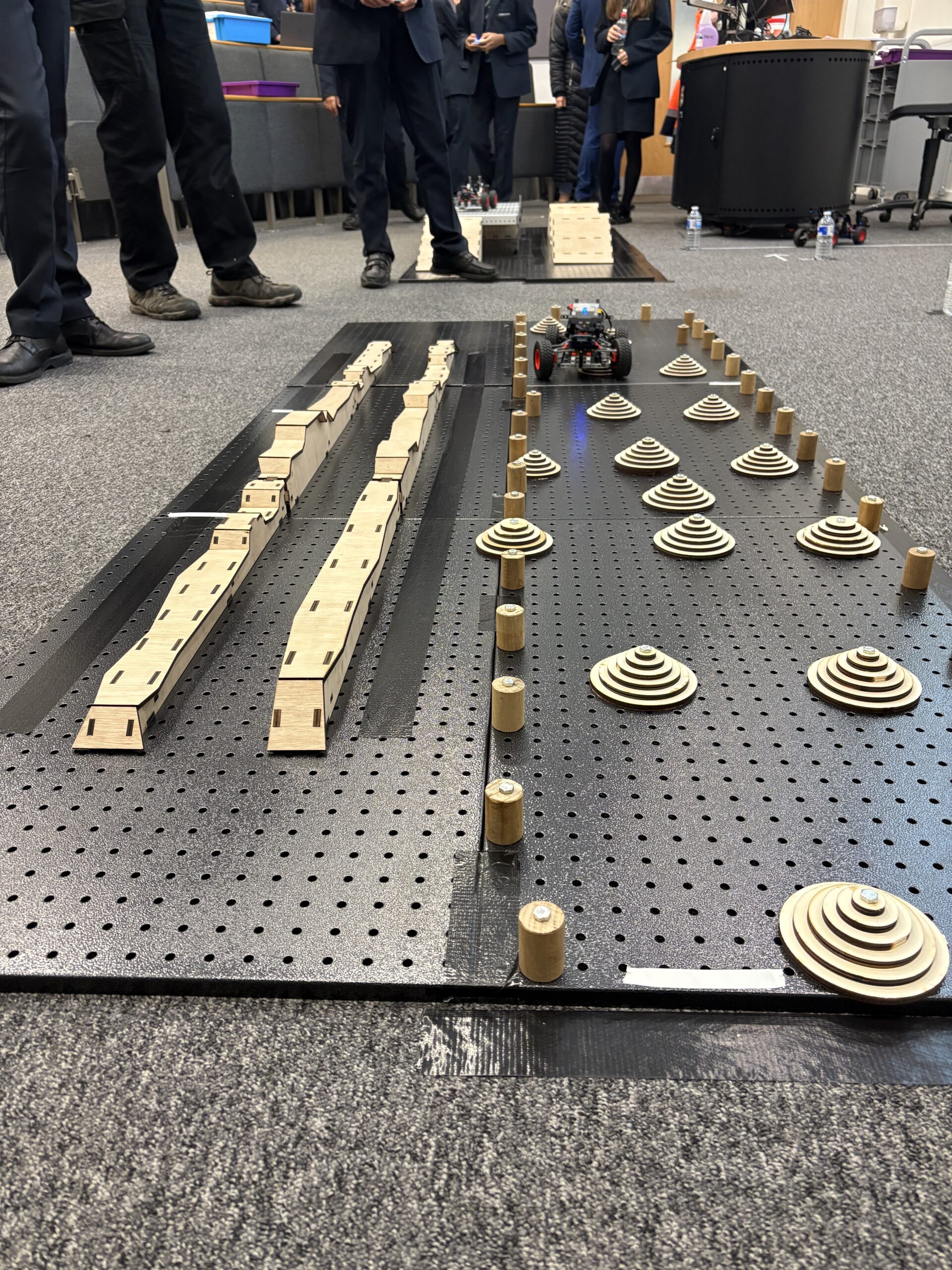
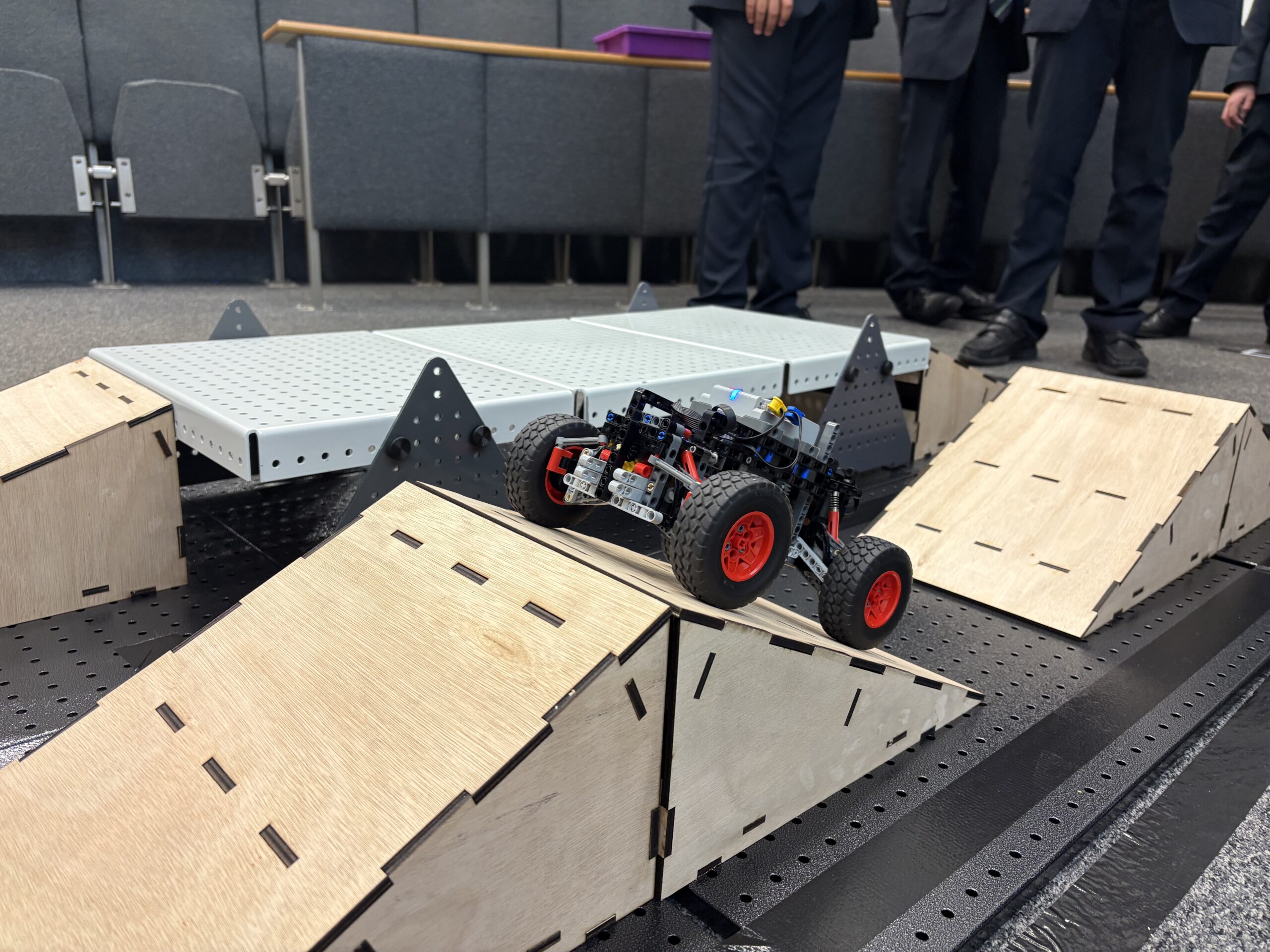
Teams demonstrate their vehicles on a demanding course designed to test manoeuvrability, control, and precision. Performance is evaluated against a range of obstacles and conditions, simulating real engineering challenges.

Team Presentation
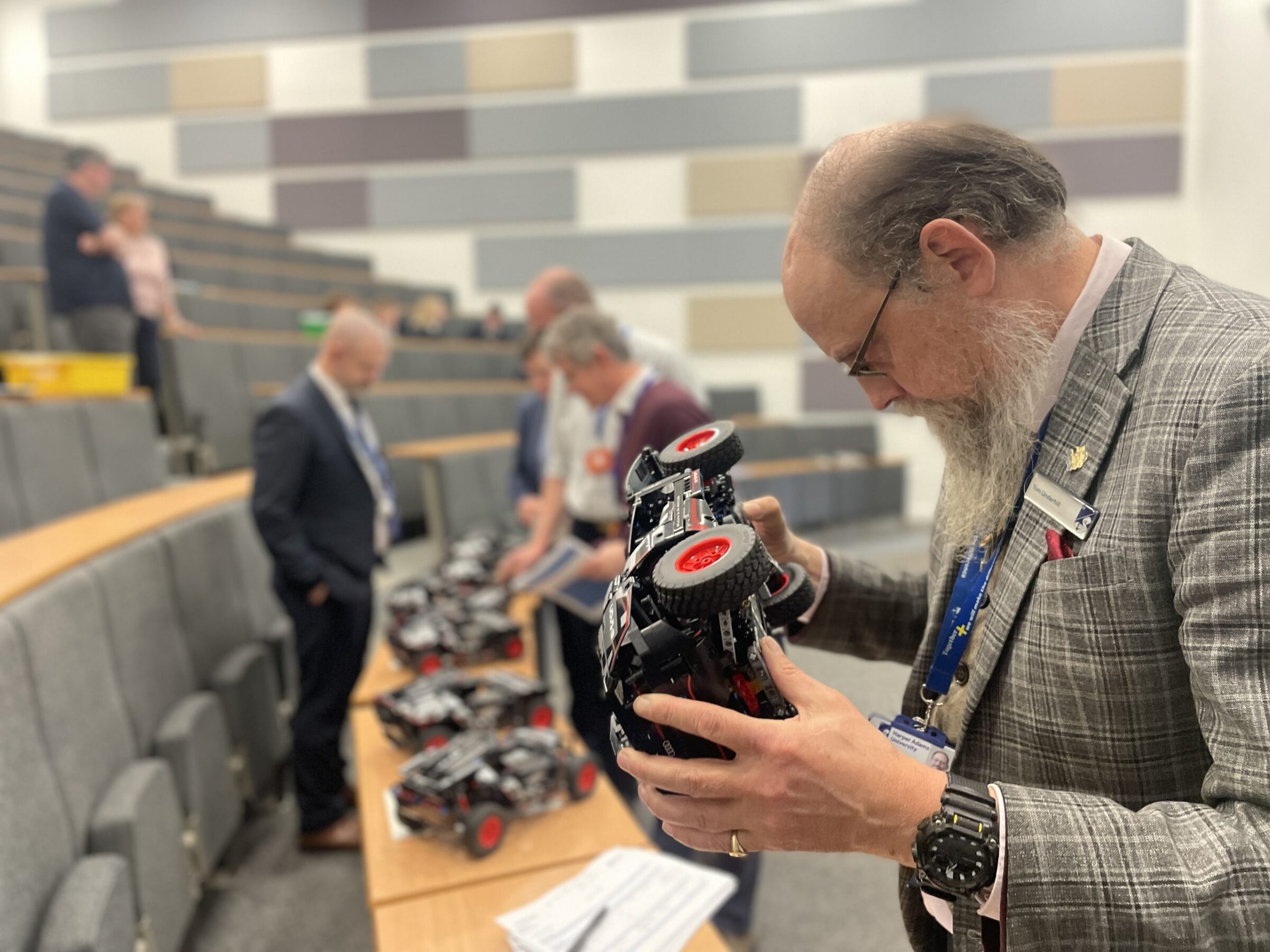
Learners present their project journey to a panel, showcasing their:

  • Problem-solving and innovation
  • Application of engineering principles
  • Teamwork and collaboration
  • Reflection on learning and development

The event concludes with recognition of achievement, celebrating technical excellence, creativity, and teamwork.


Developing Skills for the Future

The Harper Adams Challenge provides learners with a strong foundation in both engineering and personal development. Through this experience, learners build:

  • Practical engineering knowledge
  • Problem-solving and creative thinking skills
  • Confidence in communication and presentation
  • Teamwork and leadership capabilities

Real-World Learning in Action

This challenge exemplifies The JCB Academy’s commitment to applied, employer-engaged learning. By combining technical challenge with collaboration and reflection, learners develop the skills, mindset, and confidence needed to succeed in further study, apprenticeships, and future careers in engineering and beyond.

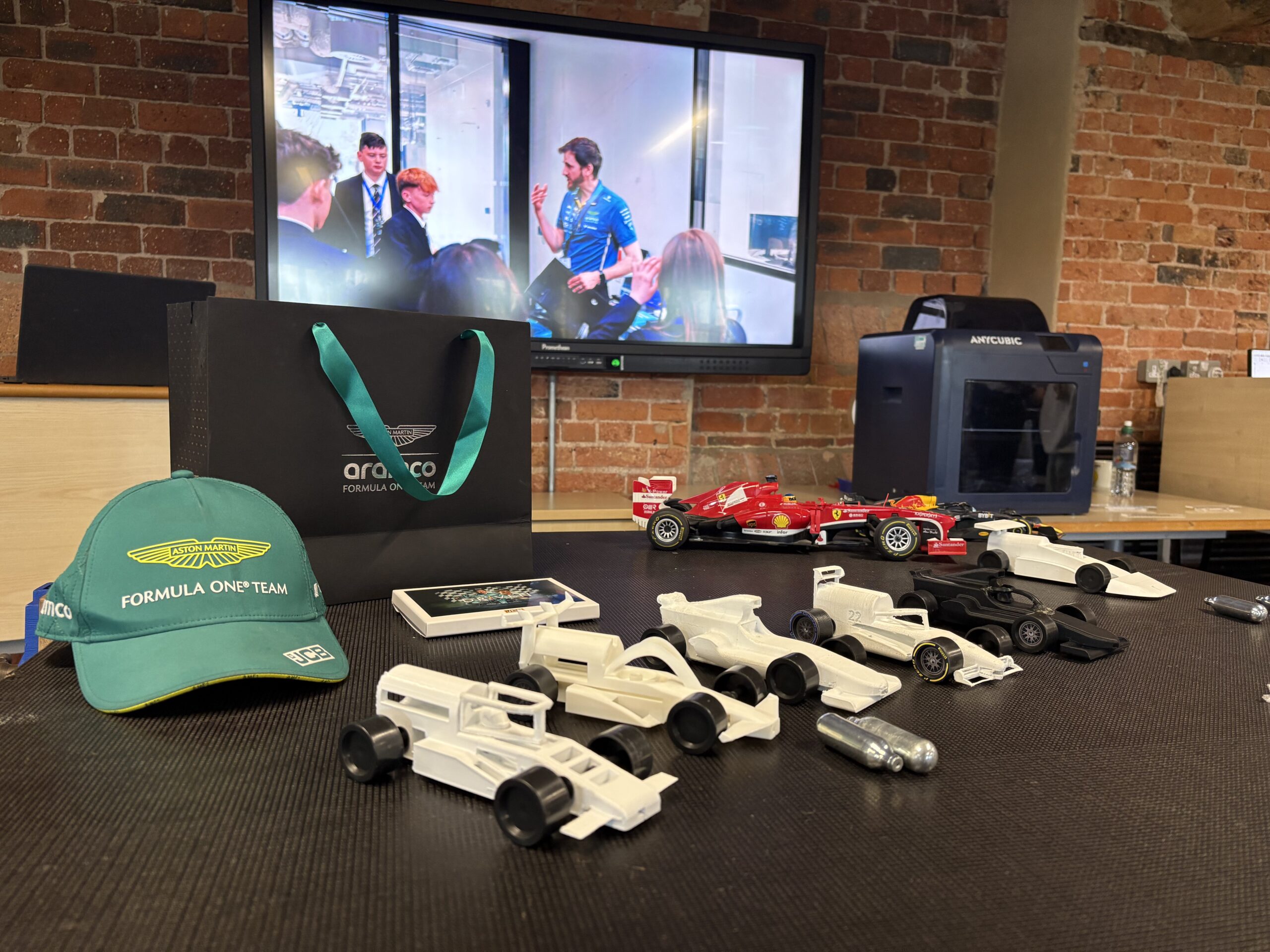
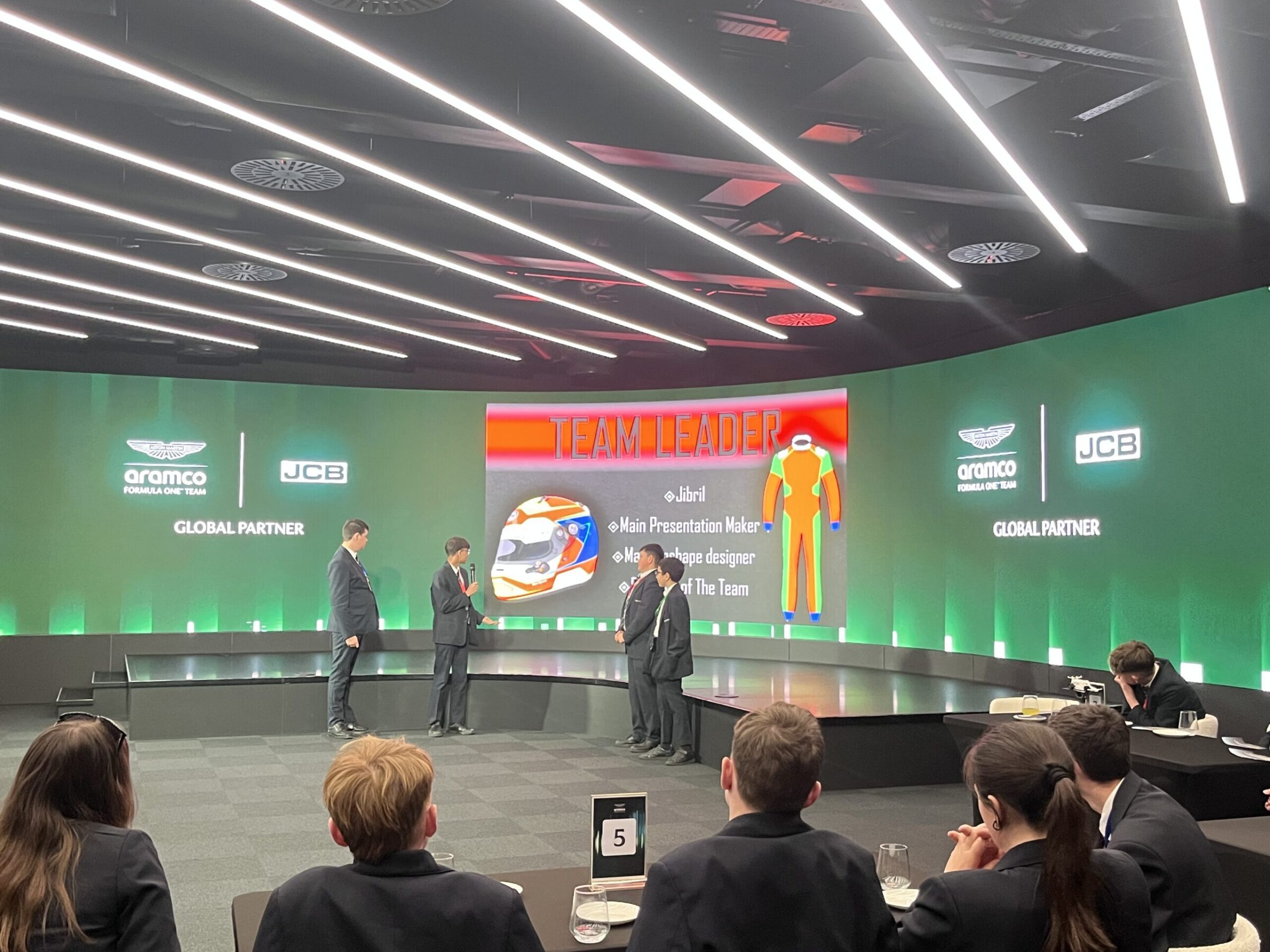
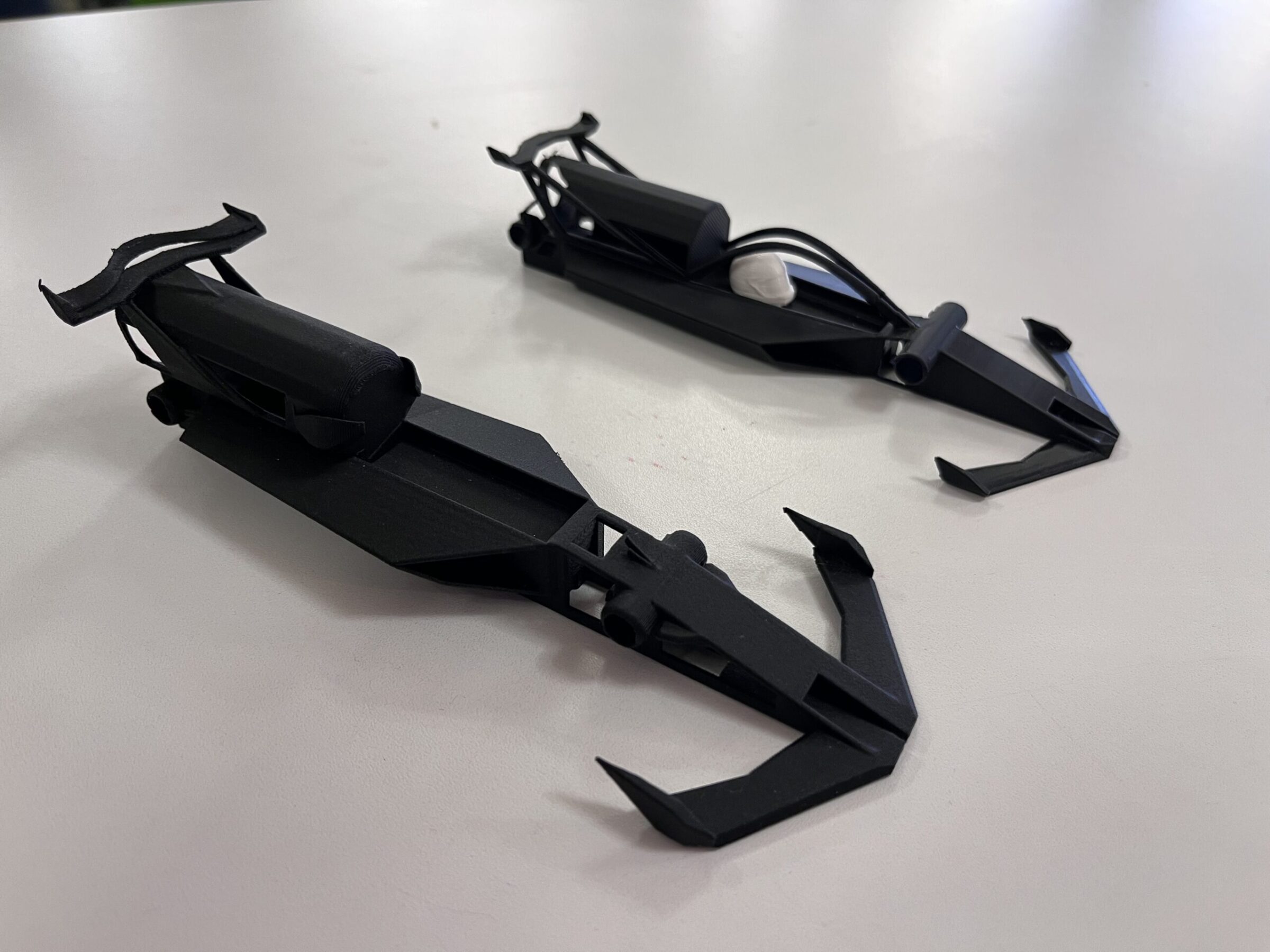
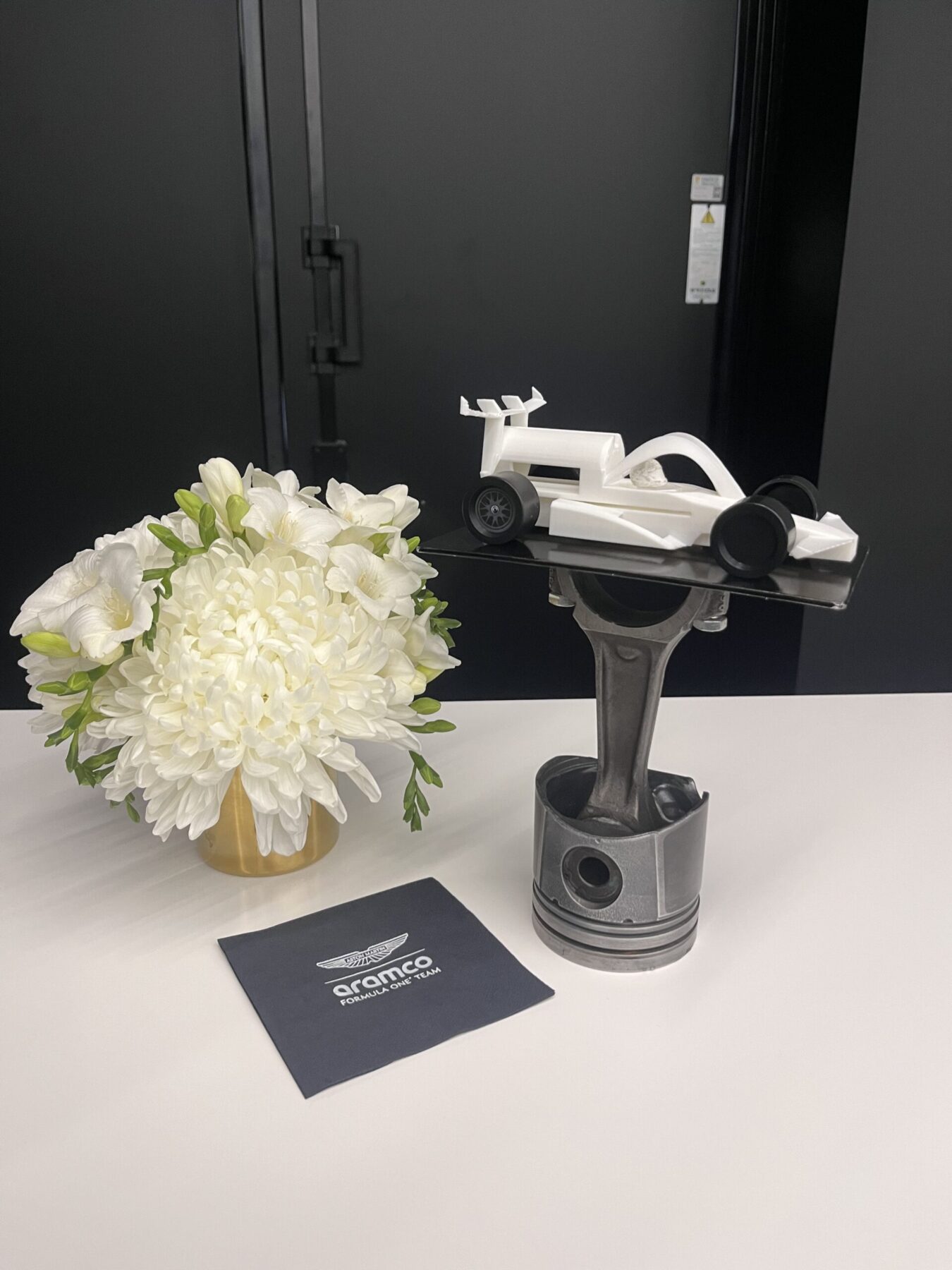
Learners take part in an exciting F1 in Schools-inspired challenge, where they design and manufacture high-performance model racing cars using CAD/CAM technology.

Working in teams, learners develop essential engineering knowledge in areas such as aerodynamics, mechanical design, and digital manufacturing. They apply these principles to create innovative, race-ready designs, reflecting the processes used in professional motorsport engineering.


Throughout the challenge, learners refine their technical and presentation skills, preparing to showcase their work to both academy staff and industry representatives. The experience combines creativity, precision, and teamwork, mirroring real-world engineering environments.

Design, Build and Compete

Over the course of the project, learners:

  • Design aerodynamic components using CAD software
  • Manufacture parts using advanced digital production methods, including 3D printing
  • Test and refine their designs to improve performance
  • Develop branding, team identity, and professional presentations

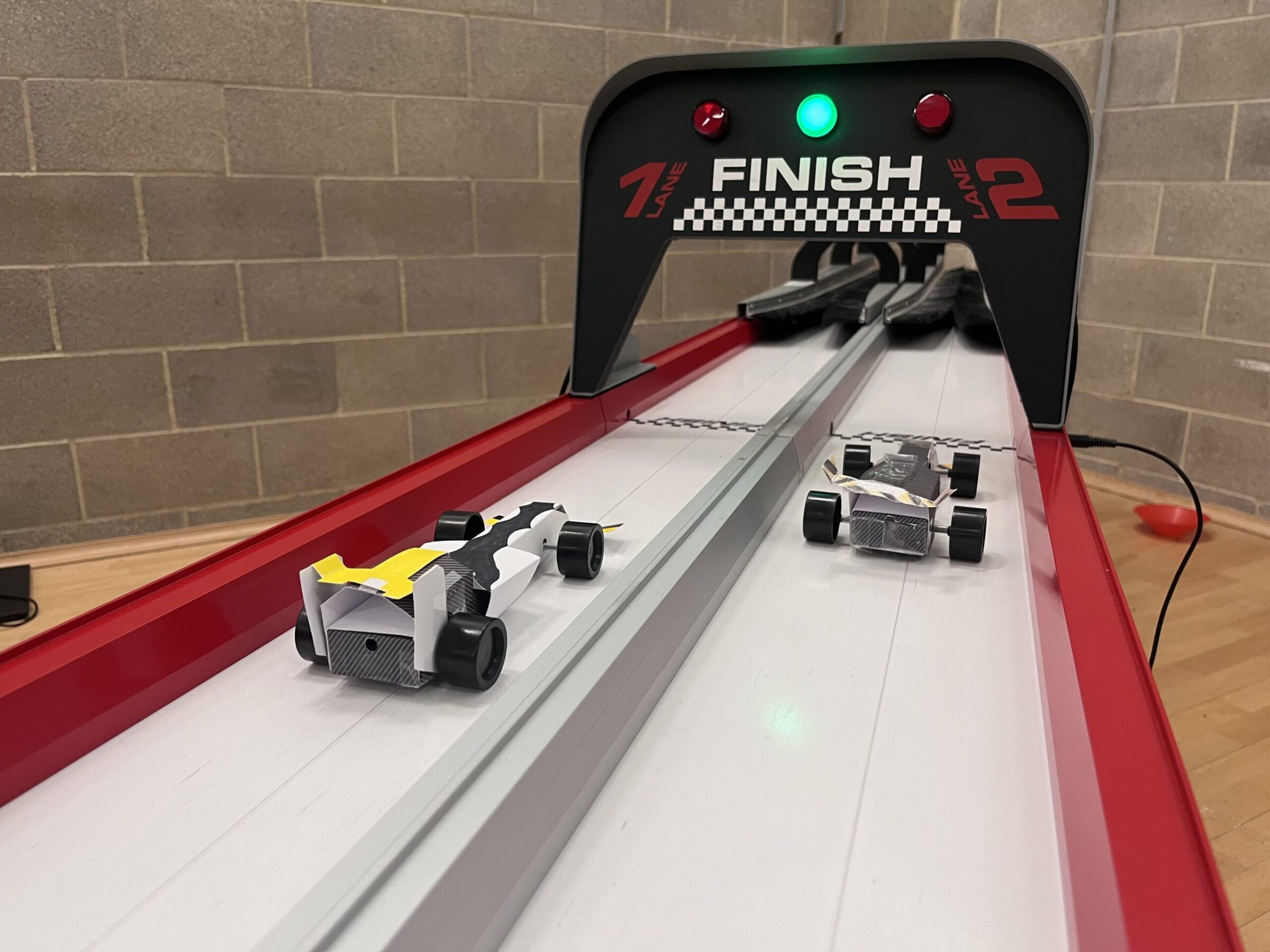
The challenge culminates in a competitive race event, where teams put their cars to the test on track, followed by formal presentations to a judging panel. Designs are assessed on performance, innovation, and overall engineering quality.


Industry Engagement and Inspiration

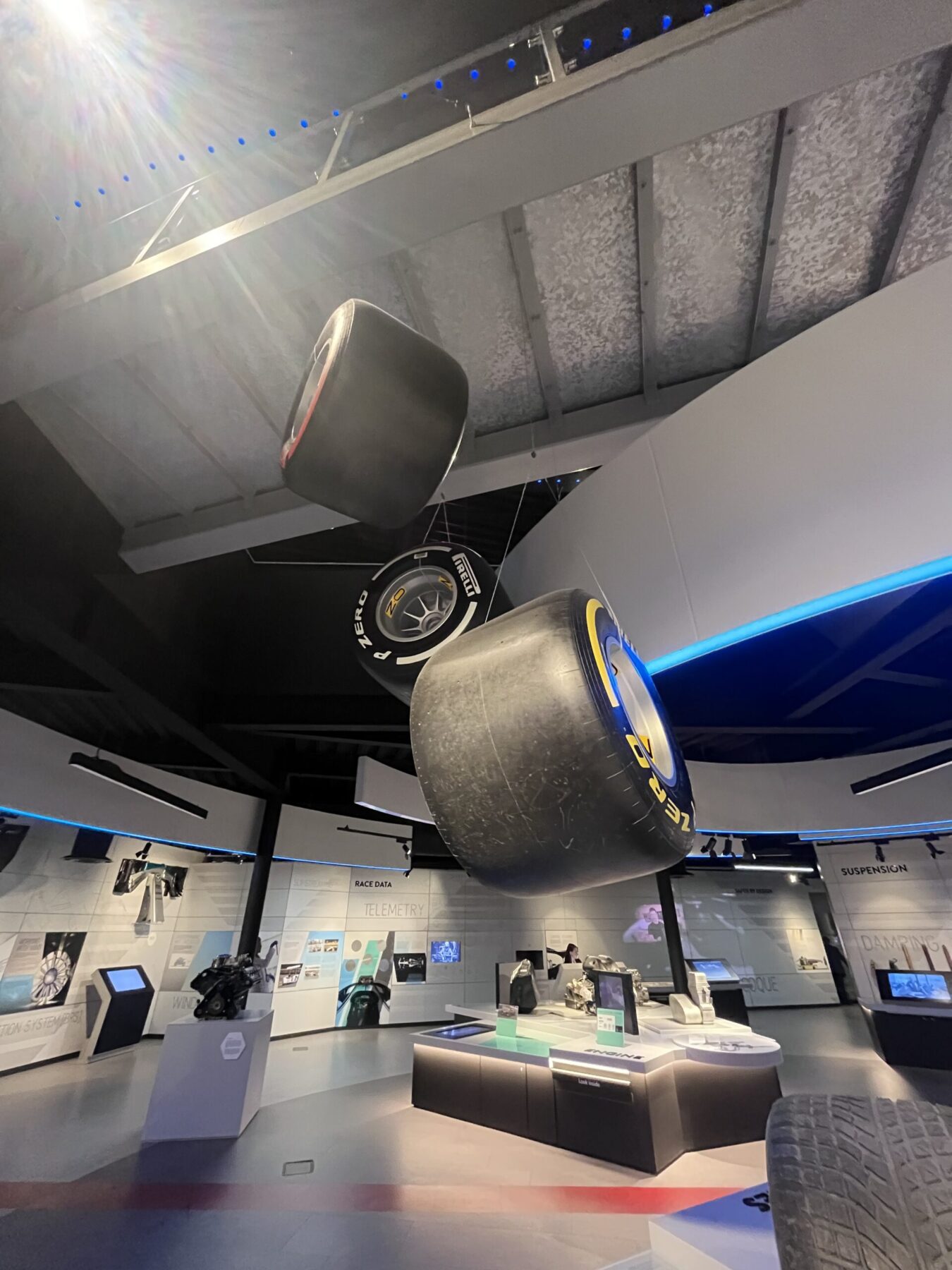
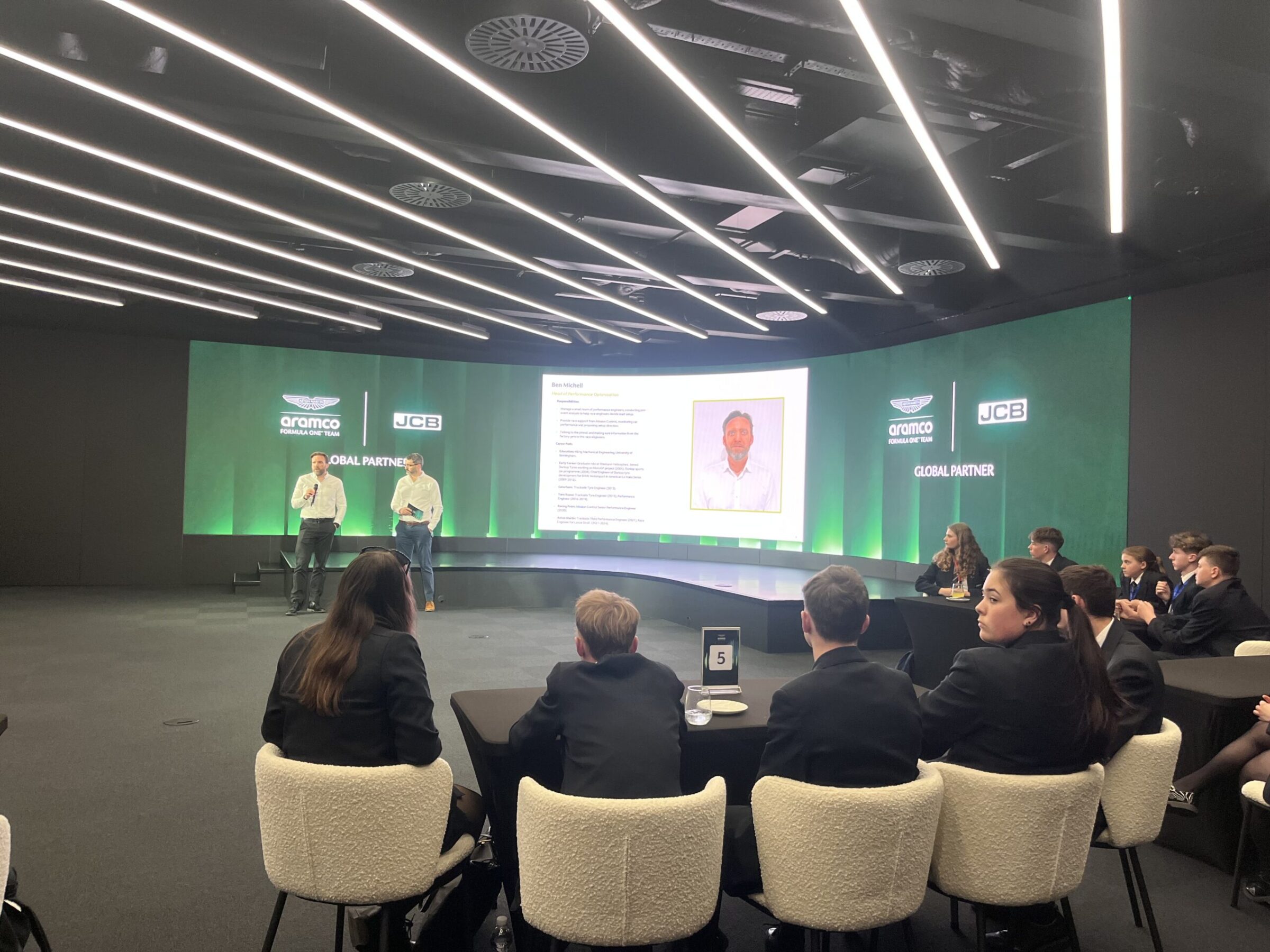
Employer partners play a key role in enriching the challenge, offering learners valuable insight into careers within engineering and advanced manufacturing. Through visits, workshops, and feedback sessions, learners gain an understanding of industry expectations and emerging technologies.

Exposure to real-world engineering environments and professionals helps to raise aspirations and provides context for the skills being developed throughout the project.


Developing Future Engineers

This challenge exemplifies The JCB Academy’s commitment to applied learning, enabling learners to experience the full engineering lifecycle; from concept through to production and performance testing.

By combining technical knowledge with teamwork, communication, and problem-solving, learners gain a strong foundation for future pathways in engineering, motorsport, and advanced manufacturing.

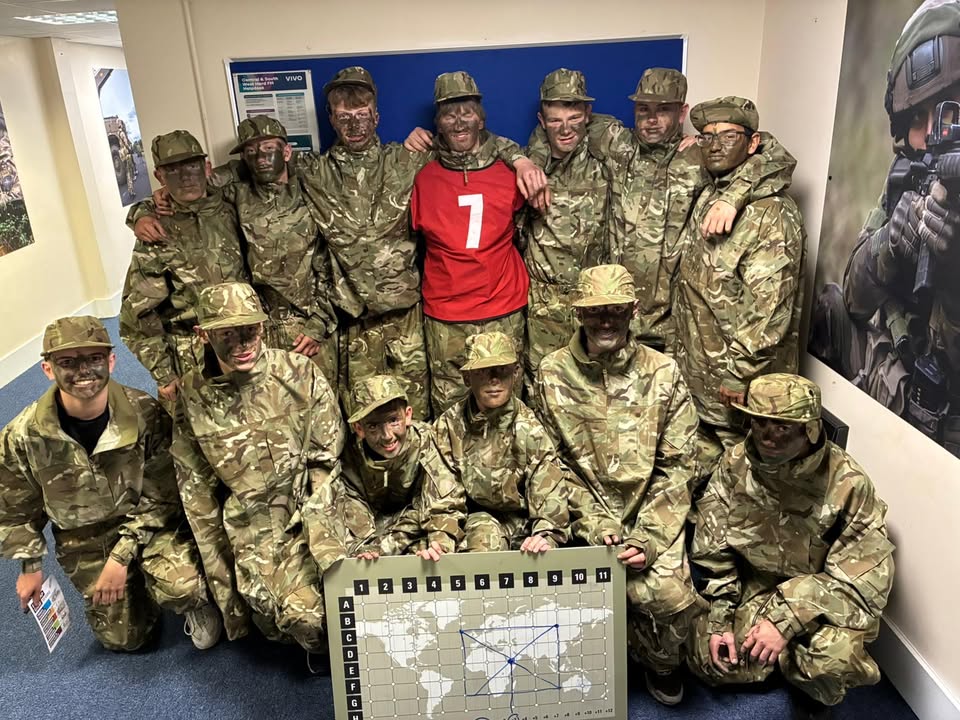
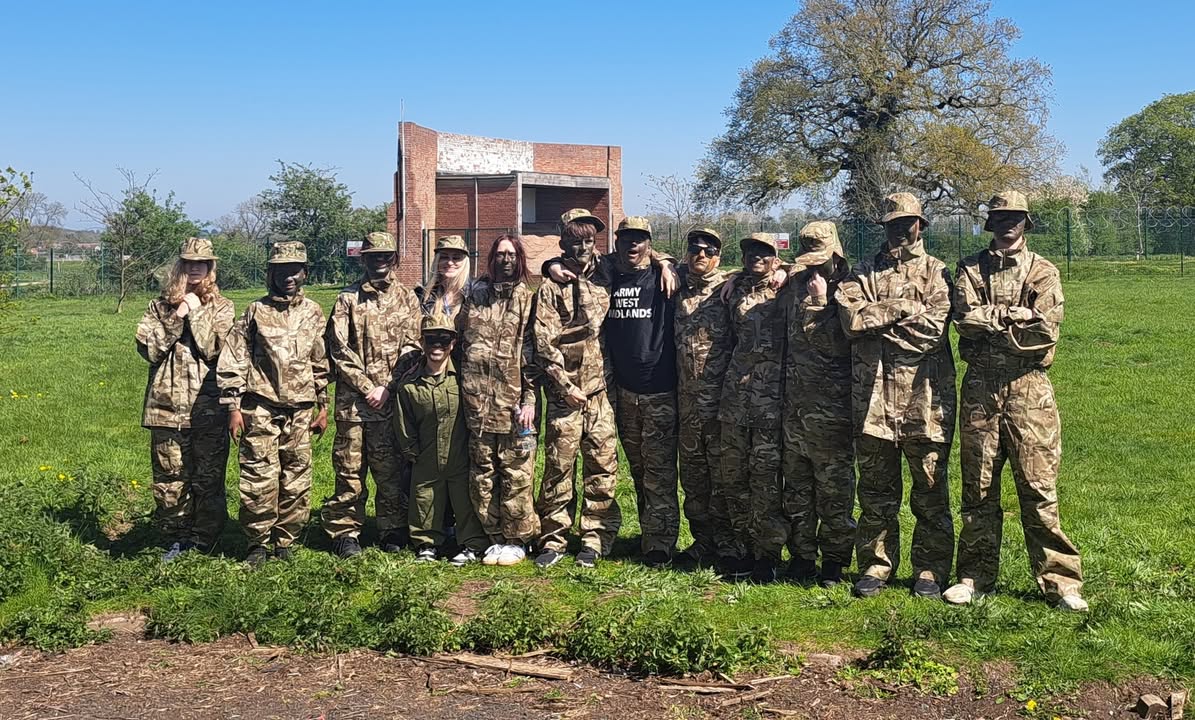
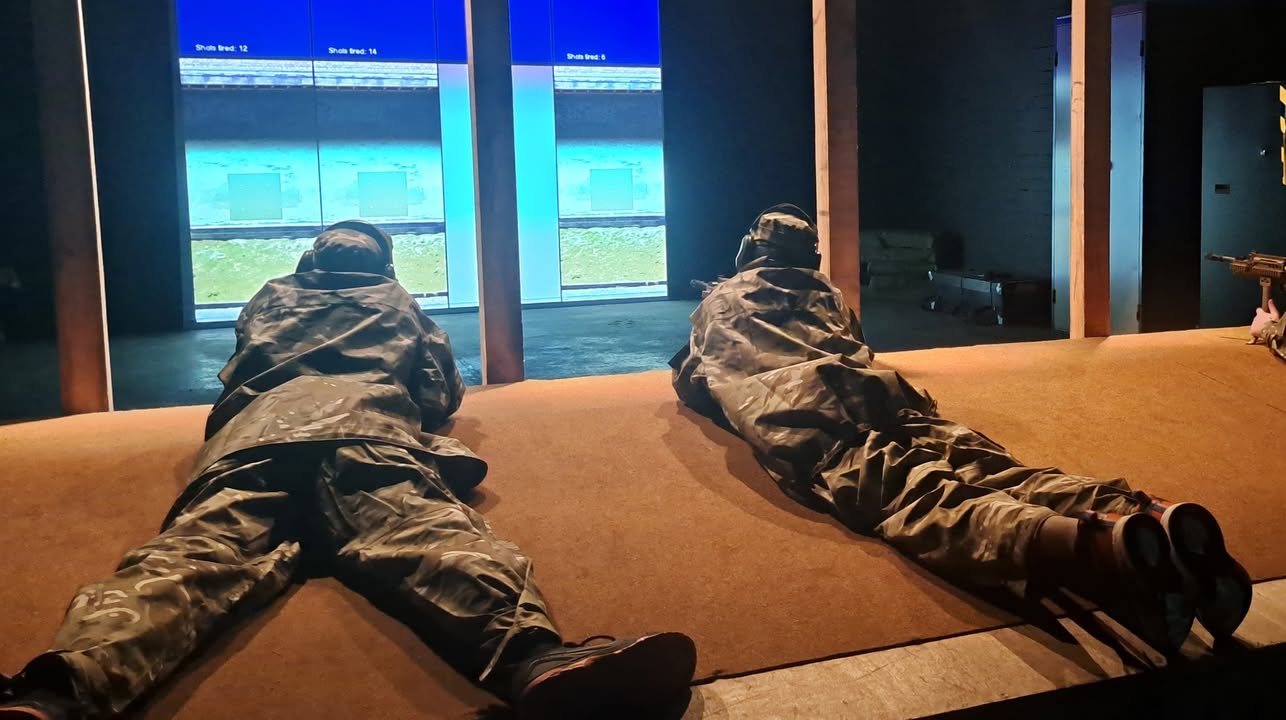
The Army Challenge is a five-week, employer-led experience delivered in partnership with the British Army Engagement Team. It introduces learners to systems, control, and programming through practical, scenario-based engineering tasks.

With a focus on STEM engagement and youth development, the challenge promotes the Army’s core values while raising awareness of technical career pathways. It combines applied engineering with the discipline, structure, and teamwork found in real-world operational environments.


Learning Through Applied Engineering

Learners develop core knowledge in electronics, programming, and automation, including:

  • Circuit design and simulation
  • Flowchart-based programming
  • Automation systems and emerging technologies

Throughout the challenge, learners:

  • Build confidence in applying technical knowledge
  • Develop teamwork and initiative
  • Solve problems in realistic engineering scenarios

Learning is contextualised through applications such as reconnaissance and humanitarian operations, making it purposeful and engaging.


The Challenge Journey

Working in teams, learners complete a series of practical tasks designed to develop both technical and professional skills:

  • Bridge Construction
    Designing and building a structure to safely transport equipment across a gap, assessed on strength and efficiency.
  • Communication Systems
    Programming microcontrollers to send and receive coded messages wirelessly.
  • Autonomous Systems
    Programming a drone to navigate an obstacle course and deliver a payload with precision.

Teams also prepare a final presentation reflecting on their learning and development. Performance across all tasks determines progression to the final.


Final Showcase

The challenge culminates in a scenario-based final, where teams apply their skills in a timed, mission-style environment.

Practical Mission
Teams plan and execute a coordinated engineering solution, demonstrating technical ability, teamwork, and decision-making under pressure.

Team Presentation
Learners present their approach and reflect on:

  • Their problem-solving and technical decisions
  • Challenges encountered and overcome
  • Key learning from the project

Assessment is led by Army representatives, ensuring a realistic and rigorous evaluation.


Developing Skills for the Future

Through the Army Challenge, learners build:

  • Practical engineering and programming skills
  • Teamwork and leadership capabilities
  • Confidence in communication and decision-making
  • Initiative and resilience

Real-World Learning in Action

The Army Challenge demonstrates how technical skills and professional behaviours combine in real-world environments.

By applying engineering concepts in practical, high-pressure scenarios, learners develop the skills, mindset, and confidence needed for future pathways in engineering, technology, and beyond.

From Classroom Concept to Retail Product

The Stoke City FC Business Challenge provides learners with the opportunity to design, develop, and propose a retail product for a professional football club.

Working in teams, learners progress through the full product development journey; from initial concept and design through to market positioning and commercial planning. A typical outcome includes the creation of a premium product, such as a T-shirt design inspired by the club’s heritage and identity.

Learner proposals are reviewed by a judging panel, with selected concepts having the potential to be professionally produced and sold through official retail channels. This creates a powerful link between classroom learning and real-world commercial outcomes.

Developing Real Business Skills

Through this challenge, learners gain hands-on experience across key areas of business, including:

  • Product design and development
  • Market and audience research
  • Costing and pricing strategies
  • Business planning and commercial decision-making
  • Teamwork, communication, and problem-solving

These experiences reflect the day-to-day practices of the business and retail sectors, helping learners to understand how ideas are developed, evaluated, and brought to market.


A Strong Employer Partnership

The JCB Academy’s partnership with Stoke City FC enables learners to engage with authentic business challenges that reflect real industry expectations.

Employer involvement ensures that learners receive valuable insight into branding, customer engagement, and retail operations, while working to professional standards throughout the project. This collaboration enhances the curriculum, deepens learning, and raises aspirations.

Where appropriate, learners may also have the opportunity to see their work recognised or shared through official club channels, further reinforcing the real-world relevance of the challenge.


Real-World Learning in Action

The Stoke City FC Business Challenge exemplifies The JCB Academy’s commitment to applied learning, giving learners the opportunity to experience the full commercial lifecycle of a product.

By combining creativity with business strategy and professional communication, learners develop the skills, confidence, and ambition needed to pursue future careers in business, marketing, and enterprise.

The Lavender Challenge is a five-week, employer-led experience delivered in partnership with Lavender International, a global leader in non-destructive testing (NDT) training and certification.

It introduces learners to the critical role of quality assurance (QA), quality control (QC), and inspection within modern engineering, with a particular focus on NDT which is a vital and growing area within high-integrity industries.

Developed in response to industry demand, the challenge highlights the importance of quality in sectors such as nuclear engineering, where rigorous inspection processes are essential to safe and successful operations.


Learning Through Quality Engineering

Learners explore key principles of quality in an applied, hands-on context, including:

  • Quality Control (QC) and Quality Assurance (QA)
  • The importance of quality in manufacturing
  • Destructive and Non-Destructive Testing (DT/NDT)
  • Inspection methods and standards

Throughout the challenge, learners:

  • Develop problem-solving and initiative
  • Apply technical knowledge in practical scenarios
  • Build confidence in recording and analysing data

This approach strengthens both understanding and retention, while supporting success in formal assessment.


The Challenge Journey

Working in teams, learners follow a structured design and build process to create an inspection solution:

  • Design and refine an inspection tool
  • Prototype and evaluate using modelling and digital manufacturing
  • Create professional inspection recording systems
  • Manufacture a final inspection gauge

The in-class final challenges teams to apply their tools to inspect components under timed conditions, assessing accuracy, efficiency, and usability.


Final Showcase

The challenge culminates in an industry-led final, where teams complete an extended inspection scenario and present their work.

Practical Assessment
Learners adapt their inspection tools to new components and defects, completing a timed inspection task while recording accurate and usable data.

Team Presentation
Learners present their approach and outcomes, reflecting on:

  • Technical decisions and design improvements
  • Challenges faced and solutions developed
  • Key learning from the project

All elements are judged by industry professionals from Lavender International, providing a realistic and rigorous assessment experience.


Developing Skills for the Future

The Lavender Challenge equips learners with a strong foundation in both technical and professional skills. Through this experience, learners build:

  • Practical understanding of quality engineering
  • Problem-solving and analytical thinking
  • Confidence in communication and presentation
  • Initiative and independence

Real-World Learning in Action

This challenge demonstrates the importance of quality within engineering and exposes learners to a specialist, high-demand sector.

By combining technical learning with practical application and industry engagement, learners develop the skills, awareness, and confidence needed to progress into engineering, manufacturing, and quality-focused careers.

Industry Challenges within the T Level Curriculum

As part of the T Level curriculum, learners take part in three employer-led challenges, delivered over an intensive six-week period. Developed in collaboration with Bosch Rexroth, St. Modwen, and JCB, these projects integrate nine of the programme’s seventeen curriculum units, creating a rich and applied learning experience.


The JCB Challenge

The JCB Challenge provides learners with the opportunity to work in teams to design and propose a production line for a new JCB Heavy Products machine. The challenge requires learners to develop practical, industry-aligned solutions using processes and methodologies commonly found in modern manufacturing environments.

Through employer engagement, learners gain direct insight into how large-scale production facilities operate. This includes exposure to the relationship between design, logistics, and manufacturing, helping them to understand how decisions are made across the full production lifecycle.


Applying Industry Methods

Throughout the challenge, learners apply a range of industry-recognised systems and approaches, including:

  • Standard Operating Procedures (SOP)
  • Kaizen and continuous improvement
  • 6S workplace organisation
  • Make to Order (MTO) and Make to Stock (MTS) production models
  • Production Information (PI) systems

Using these tools, learners deepen their understanding of quality control (QC) and quality assurance (QA), and how these functions support efficient, high-quality manufacturing.


Final Showcase and Assessment

The challenge culminates in a final showcase, where teams present their proposed production solutions through:

  • A practical build or model
  • Supporting technical and planning documentation
  • A professional presentation to a panel of industry representatives

Learners are assessed on the quality of their technical work, their application of industry methods, and their ability to communicate their ideas effectively. The process concludes with recognition of outstanding performance and achievement.

Employer representatives, including early-career professionals and apprentices, contribute to the assessment process, offering feedback and insight that further strengthens the authenticity of the experience.


Real-World Learning in Action

The JCB Challenge is designed to provide a realistic and demanding experience that reflects industry expectations. Through ongoing collaboration with JCB, the challenge ensures learners develop the skills, knowledge, and confidence required for future careers in engineering and manufacturing.

Toyota Lean manufacturing exercises, including engine rebuilds and remote-controlled car assemblies (ongoing since 2010)

Bosch Rexroth (Post-16) – Analysis of the hydraulic systems used on the London Eye, culminating in expert presentations and a site visit to see the system in action

All learners are required to formally present their project outcomes, with the most outstanding work showcased to panels of company directors. These experiences develop confidence, communication, and problem-solving skills in a professional context.

Rolls-Royce – Engineering design challenges focused on innovation in aerospace and sustainability

National Grid – Projects exploring energy infrastructure, grid resilience, and the future of renewable energy

JCB – Product development tasks that mirror real engineering and manufacturing processes, including CAD design and prototyping

Merlin Entertainments (Alton Towers) – Creative engineering challenges related to theme park ride design and safety systems

Continental Engineering Services – Automotive systems analysis and problem-solving tasks linked to real-world vehicle technologies

Core Challenge Partners

Contact Us

The JCB Academy
Mill Street
Rocester
Staffordshire
ST14 5JX
Privacy Overview
The JCB Academy

This website uses cookies so that we can provide you with the best user experience possible. Cookie information is stored in your browser and performs functions such as recognising you when you return to our website and helping our team to understand which sections of the website you find most interesting and useful.

Strictly Necessary Cookies

Strictly Necessary Cookie should be enabled at all times so that we can save your preferences for cookie settings.

Third Party Cookies

This website uses Google Analytics to collect anonymous information such as the number of visitors to the site, and the most popular pages.

Keeping this cookie enabled helps us to improve our website.