
Our Heritage
A Rich Legacy in Industry and Community
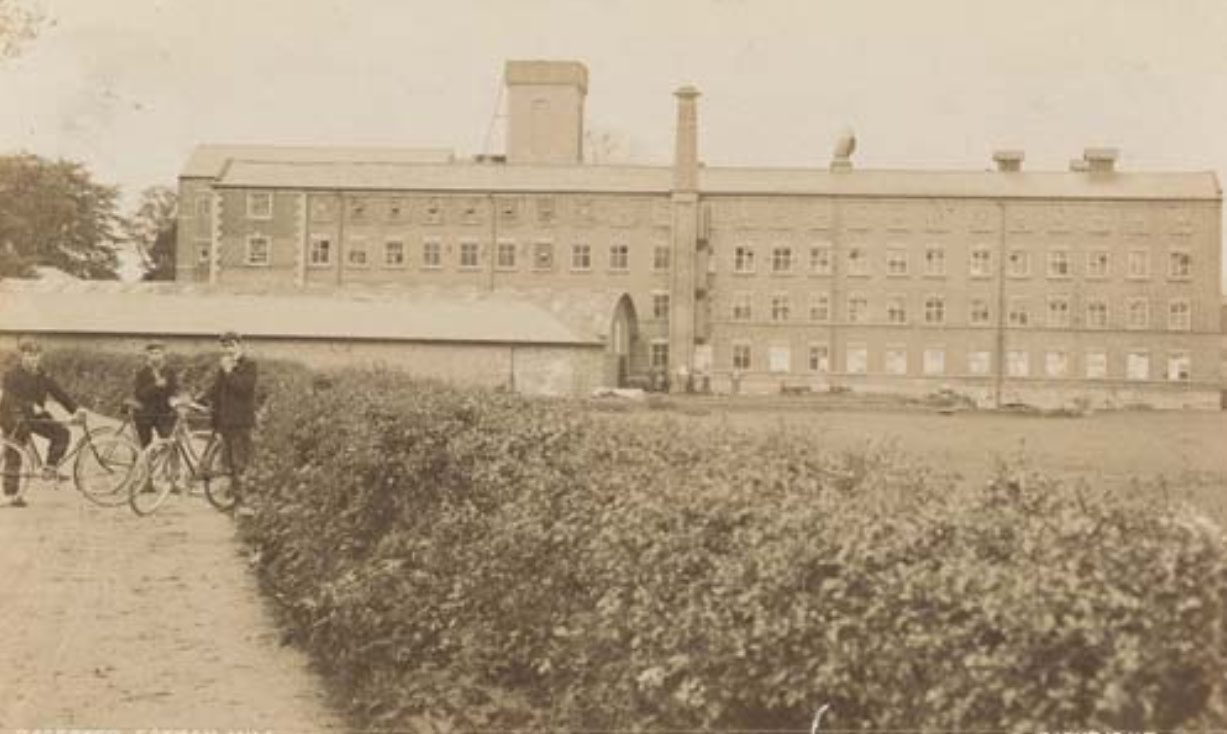
Tutbury Mill, home to The JCB Academy, has stood at the heart of Rocester since the late 18th century. Originally built by Richard Arkwright in 1781–82, this Grade II listed cotton mill was part of England’s early Industrial Revolution. The site has seen seven construction phases from the late 1700s through the 20th century. A foreman’s house, now known as The Lodge, was added in 1831.
After serving Rocester for over a century in textile and gypsum milling, the site underwent archaeological surveys before being lovingly restored as The JCB Academy.
Rocester: Layers of History Beneath Our Feet
Rocester’s origins stretch back to the Mesolithic era, with Roman forts established around AD 69–120. In 1146, Augustinian monks built an Abbey, later demolished in the 1530s. Rocester’s fertile location between the Rivers Churnet and Dove has supported settlement and industry for millennia.
Tutbury Mill Through the Ages
It began as a mill built by Arkwright in 1781, later serving local plaster manufacture in the late 19th century, with a private rail link to gypsum mines at Fauld. In 1831, Richard Bridden took ownership and constructed Millholme nearby. By the 20th century, plaster milling gave way to decline, until redevelopment as The JCB Academy repurposed its heritage for education.
Architectural Highlights
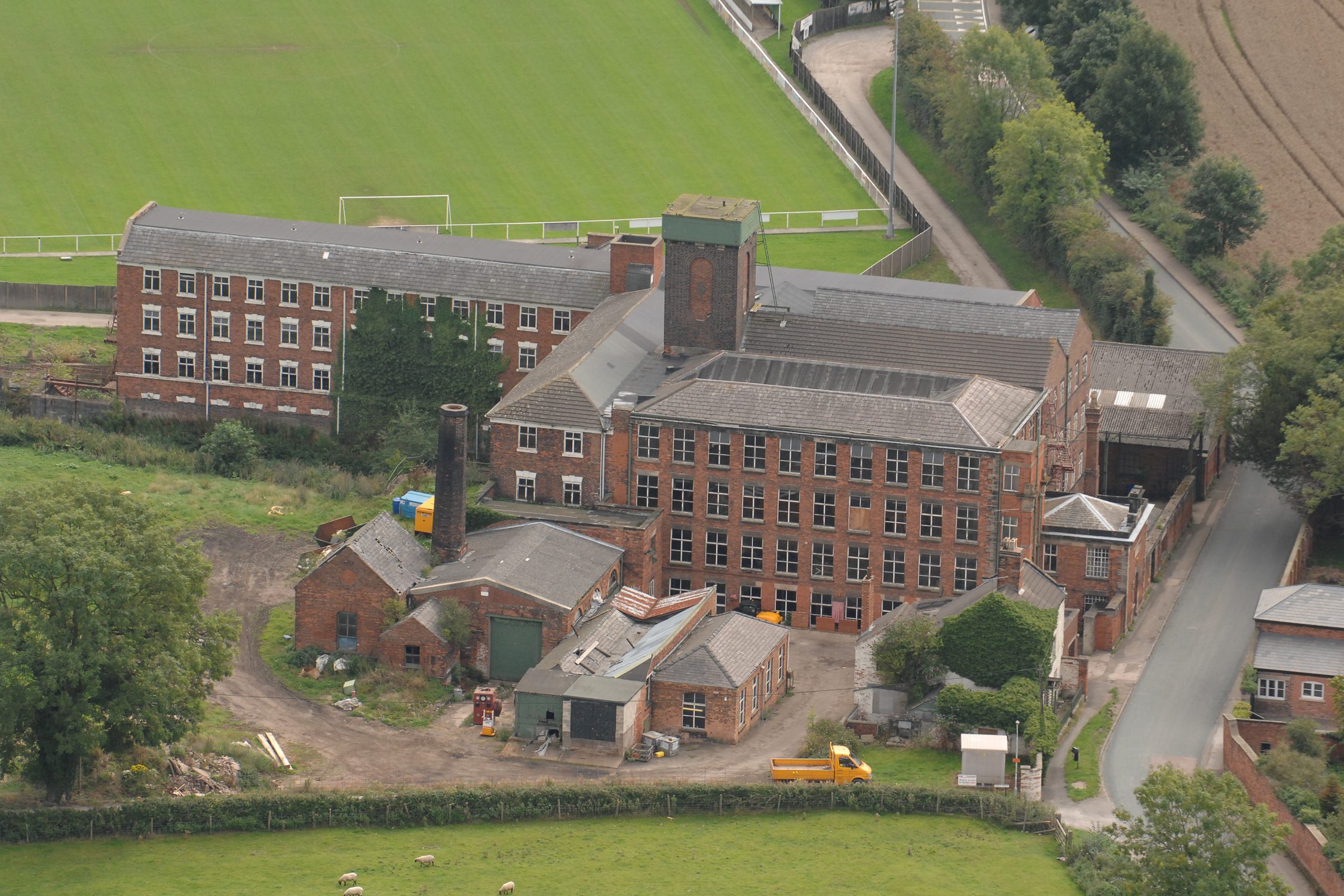
- Built c.1782 with 24 bays in four storeys.
- Constructed in red brick with sandstone plinth, hipped roof, and original window lintels.
- Contains a tower rising above the roofline, and retains vestiges of the former mill pond.
- The Lodge, former Mill House, includes early 19th-century features such as fireplaces, staircases, and cornices.
Stories of Rocester
Rocester’s history encompasses:
- Roman forts
- A medieval abbey
- A market town tradition, including butter and pottery trade
- Local role in ironworking and quarrying throughout the centuries.
Today, historic gems like St Michael’s Church and the Butter Cross still stand next to our academy.
From Past to Purpose
Tutbury Mill stands as a bridge across centuries, evolving from a Roman fort to an Industrial Revolution cotton mill, through its years as a gypsum works, and now as the home of The JCB Academy, shaping the engineers and business leaders of the future. This remarkable architectural and social legacy continues to inspire everything we do.
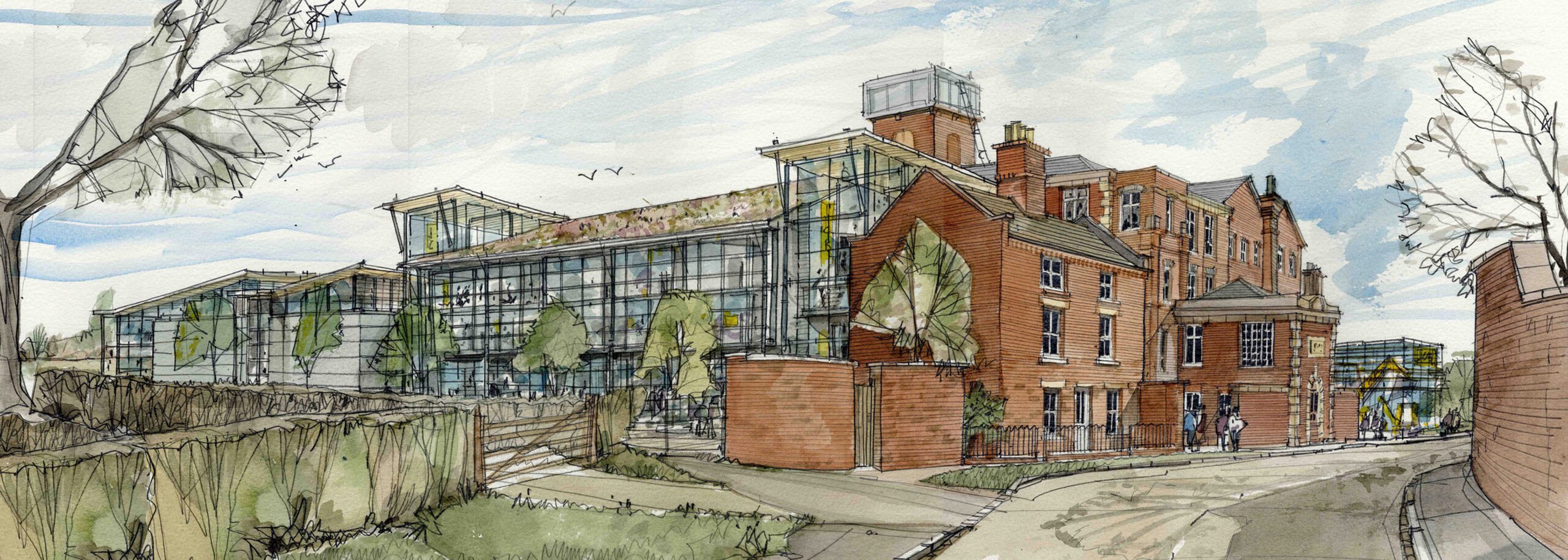
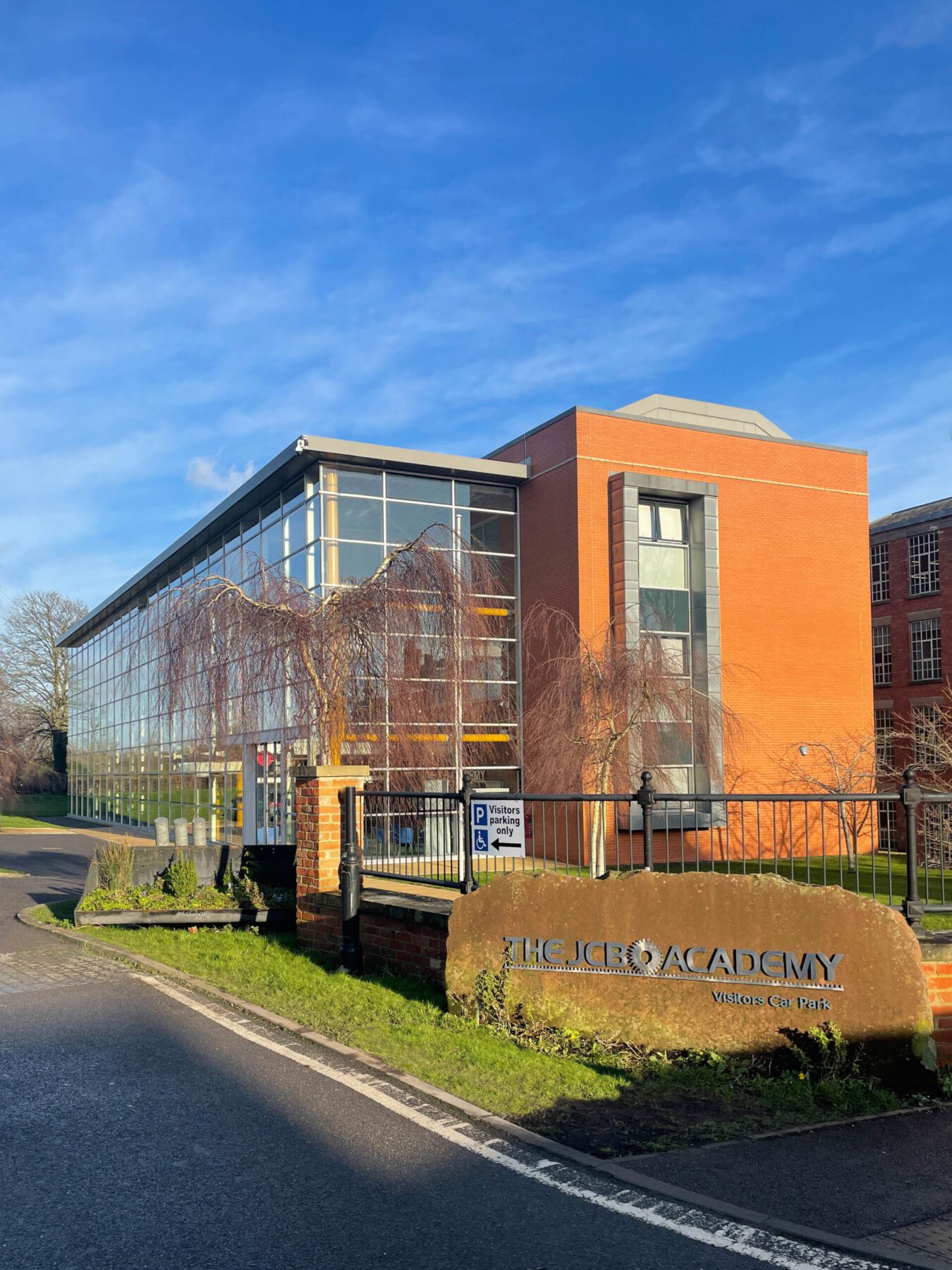
When transforming the mill into a modern learning environment, the brief was clear: create an exemplar of 21st-century engineering design. The solution needed to be high-quality, sustainable, and respectful of the building’s historic character, while meeting the operational demands of a cutting-edge school.
Extensive conservation and repair work enabled the integration of bespoke workshops, science laboratories, and flexible teaching spaces within the original structure. Additional administration and catering facilities were carefully incorporated into the historic fabric.
To complement the restored mill, a major new-build wing was added alongside a sports hall and outdoor courts. At the heart of our sustainability vision, the innovative Powerhouse houses a biomass boiler and controls for an Archimedes Screw turbine and photovoltaic array—providing much of the site’s energy and showcasing engineering in action.
A Living Museum
While enhancing facilities for education, we’ve preserved the site’s architectural details and its industrial narrative. Visitors can still see the historic brickwork, mill dam, former pond, and Victorian-era additions alongside modern learning spaces.
Key Milestones at a Glances
| Date/Period | Event |
|---|---|
| Prehistoric–AD 120 | Flint tools and pottery; Roman fort built c. AD 69–120 |
| 1146–1538 | Augustinian abbey established and later dissolved |
| 1781–82 | Cornwall-built mill for cotton by Arkwright |
| 1831 | Mill House (The Lodge) built under Richard Bridden |
| c.1890 | Converted to gypsum plaster mill with rail access to Fauld |
| 1985 | Granted Grade II listed status |
| 2006–2007 | Archaeological surveys by Birmingham Archaeology |
| 2010 | Reopened as The JCB Academy, training future engineers |
References
- Historic England. Tutbury Mill Listing Details.
- Staffordshire Past Track. Rocester Historical Records.
- Birmingham Archaeology. Archaeological Survey Reports for Rocester and Tutbury Mill.
- Rocester Parish History. Local Heritage and Community Archives.
- British Listed Buildings. Tutbury Mill and Associated Structures.
- Archaeological Data Service. Industrial and Roman Heritage in Staffordshire.
- JCB Academy Heritage Documentation. Site Redevelopment and Historical Notes.